Jun 26 , 2026
In the world of high-performance permanent magnets, NdFeB (neodymium-iron-boron) magnets stand out as the strongest commercially available option. For B2B buyers, engineers, and procurement teams, understanding sintered vs. non-sintered NdFeB magnets is critical for optimizing product design, performance, and cost. This guide breaks down the manufacturing processes, strengths, and ideal use cases to help you select the right solution.
Whether you're sourcing for electric vehicles, wind turbines, or industrial motors, partnering with experienced sintered NdFeB magnet suppliers like Ketian Magnet ensures reliable quality and tailored performance.
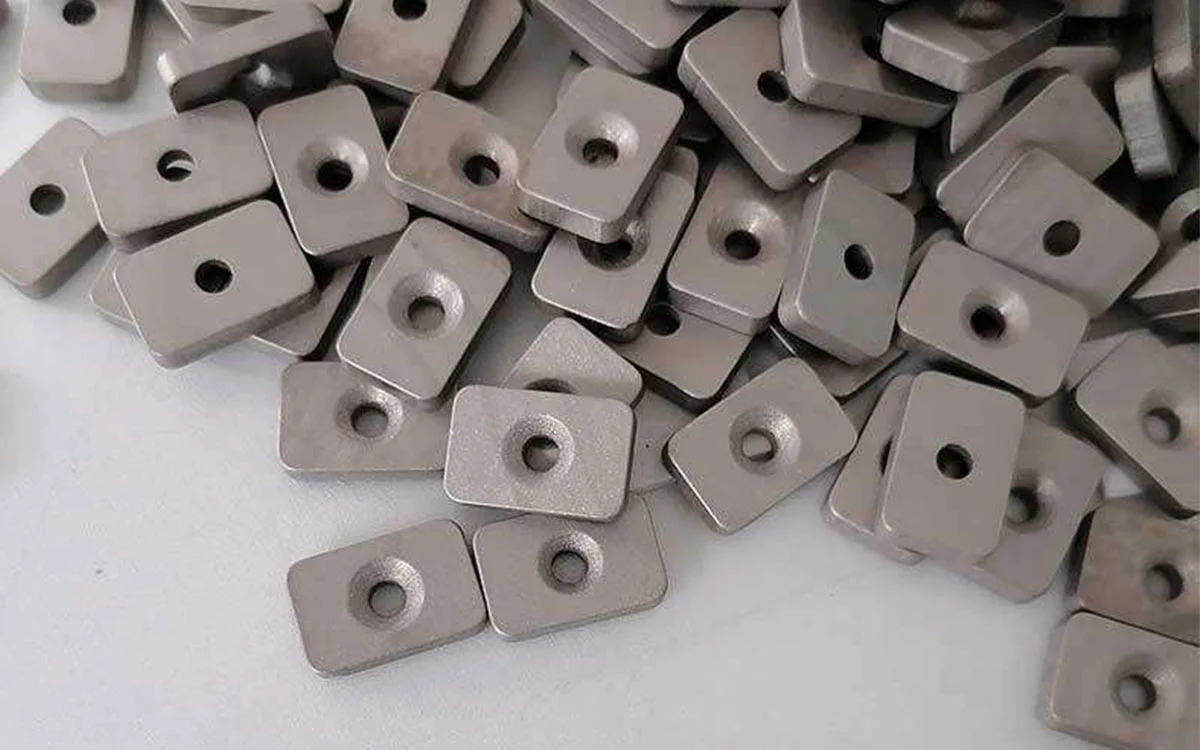
Sintered NdFeB magnets are produced through a powder metallurgy process. Raw materials (neodymium, iron, and boron) are melted, powdered, pressed under a magnetic field, and then sintered at high temperatures (around 1,000–1,100°C) in a vacuum or inert atmosphere. This creates a dense, fully metallic structure with minimal non-magnetic material.
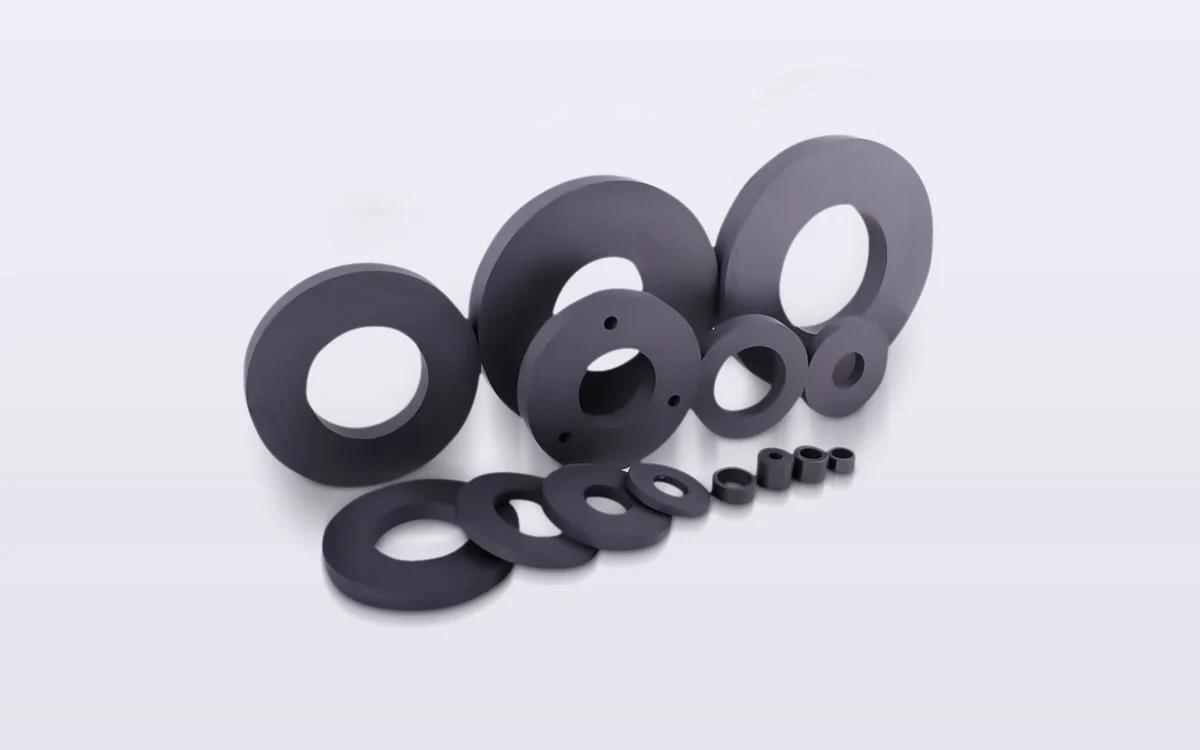
Non-sintered NdFeB magnets, commonly known as bonded NdFeB magnets, mix NdFeB powder with a polymer binder (such as epoxy or nylon) and are formed through compression or injection molding. This process allows for near-net shapes without extensive secondary machining.
Key technical differences include:
Magnetic Strength: Sintered magnets achieve a maximum energy product (BHmax) of 35–55 MGOe, while bonded versions typically range from 3–12 MGOe.
Density: Sintered magnets reach ~99% theoretical density; bonded magnets have lower density due to the binder.
Temperature Resistance: Sintered grades can operate up to 220°C+ with proper coatings; bonded magnets are generally limited to ~150–175°C.
Shape Flexibility: Bonded magnets excel in complex geometries and multi-polar magnetization.
Machining: Sintered magnets often require grinding or cutting after sintering, leading to material loss but higher final performance.
These differences make sintered magnet options dominant in demanding applications, while non-sintered (bonded) versions suit cost-sensitive or intricate designs.
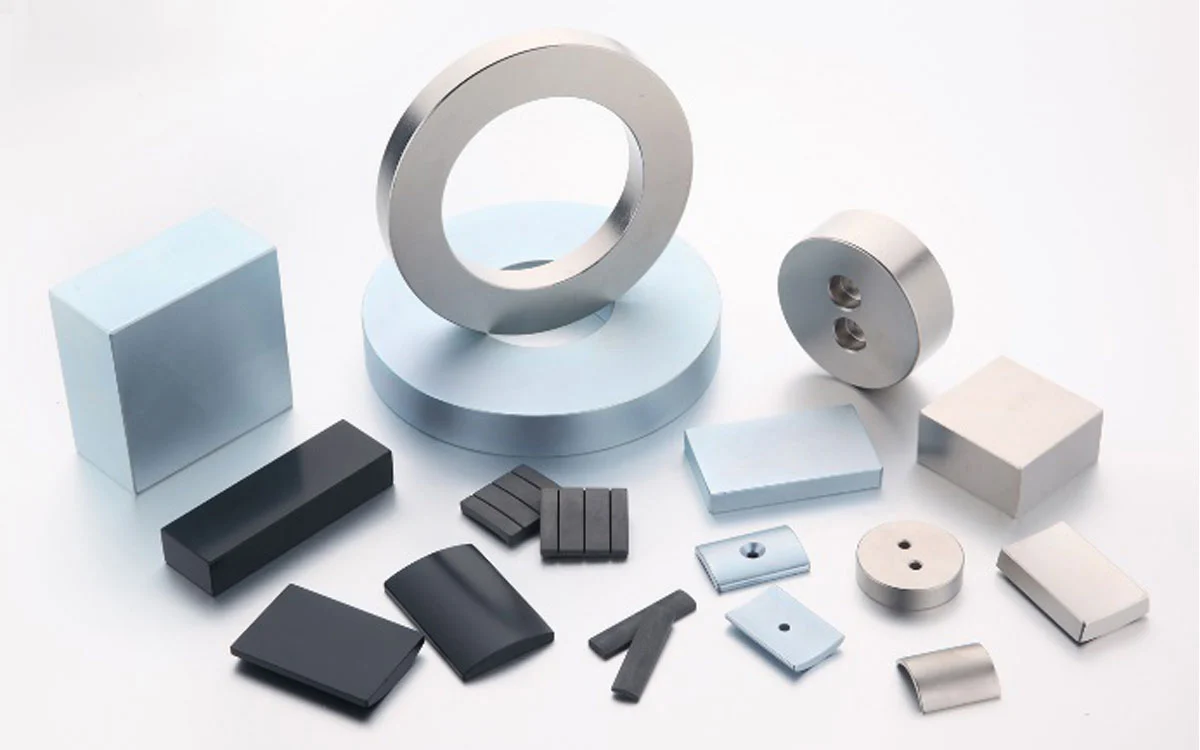
Sintered NdFeB magnets deliver unmatched magnetic energy, making them essential for modern technology. Their high remanence (Br), coercivity (Hcj), and energy product enable compact, efficient designs that outperform other permanent magnets.
Leading sintered NdFeB magnet suppliers such as Ketian Magnet produce grades from N55 down to high-temperature series like 45AH, supporting applications in:
Electric vehicle (EV) motors and drivetrains
Wind turbine generators
Industrial automation and servo motors
Medical devices and MRI equipment
Consumer electronics (HDDs, speakers)
Ketian, a high-tech enterprise founded in 2001 and affiliated with Ningbo Jintian Copper Group, holds certifications including ISO9001, IATF16949, ISO14001, and others. Their advanced capabilities include grain boundary diffusion technology and mass production of high-performance grades, ensuring excellent thermal stability and consistency for global clients in Europe, America, and Asia.
Sintered magnets provide superior corrosion resistance when properly coated and maintain performance under extreme conditions, which is why they power the electrification megatrend. For projects requiring maximum torque in minimal space, sintered options from reliable sintered NdFeB magnet suppliers are the industry standard.
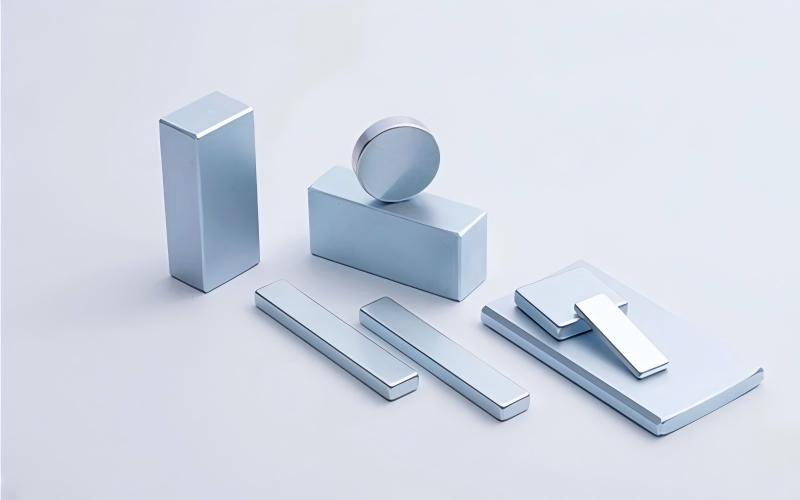
While sintered magnets dominate in raw power, non-sintered (bonded) NdFeB magnets offer distinct advantages in design flexibility. Bonded magnets can be molded into complex shapes, integrated with other components during forming, and magnetized in multiple poles with high precision and minimal waste.
Non-sintered magnets are ideal when:
Complex or thin-walled geometries are needed (e.g., sensors, small consumer motors)
Rapid prototyping or lower tooling costs are priorities
Isotropic or multi-polar magnetization is required
Corrosion resistance is enhanced by the polymer binder
However, their lower magnetic strength means they are better suited for lighter-duty applications. Many buyers start with bonded prototypes and transition to sintered magnets for volume production to balance performance and scalability.
For custom needs, explore Ketian's product range or contact their team for hybrid solutions.
Choosing between sintered and non-sintered involves balancing upfront costs, long-term performance, and total ownership expenses. Sintered magnets have higher material and processing costs but deliver better value in high-duty cycles.
Here's a concise comparison table:
| Aspect | Sintered NdFeB Magnets | Non-Sintered (Bonded) NdFeB Magnets |
|---|---|---|
| BHmax (Energy Product) | 35–55+ MGOe | 3–12 MGOe |
| Max Operating Temp. | Up to 220°C+ (grade dependent) | ~150–175°C |
| Shape Flexibility | Good (requires machining) | Excellent (moldable) |
| Relative Cost | Higher (material + processing) | Lower (net-shape, less waste) |
| Best For | EVs, wind power, industrial motors | Sensors, small motors, consumer goods |
| Dimensional Accuracy | Moderate (post-machining needed) | High |
B2B Sourcing Checklist:
Define performance requirements (strength, temperature, size).
Evaluate volume and lead time.
Request samples and magnetic property data from sintered NdFeB magnet suppliers.
Factor in coating needs for corrosion protection.
Assess supply chain reliability and certifications.
Working with established partners like Ketian minimizes risks and optimizes costs. Learn more about Ketian’s capabilities.
As a leading sintered NdFeB magnet supplier, Ningbo Ketian Magnet Co., Ltd. combines decades of expertise with state-of-the-art production. Their facilities support high-volume output of premium grades, backed by strong R&D ties to universities and advanced testing equipment.
Ketian’s commitment to innovation, quality, and sustainability makes them a trusted partner for OEMs worldwide. Whether you need standard sintered magnets or fully customized solutions, their team delivers consistent performance and responsive support.
Ready to elevate your project? Contact Ketian Magnet today for expert consultation and competitive quotes tailored to your specifications.
Selecting the right manufacturing process between sintered and non-sintered NdFeB magnets directly impacts your product’s efficiency, reliability, and profitability. Sintered magnets excel in high-performance scenarios where strength and thermal stability are non-negotiable, while non-sintered options provide valuable flexibility for complex or cost-sensitive designs.
By partnering with experienced sintered NdFeB magnet suppliers like Ketian Magnet, you gain access to premium materials, technical expertise, and end-to-end support. Make informed decisions that drive innovation and competitive advantage in your industry.
1. What are the main advantages of sintered NdFeB magnets over non-sintered ones?
Sintered NdFeB magnets offer significantly higher magnetic strength (up to 55+ MGOe), better temperature resistance, and superior overall performance for demanding applications like EV motors and wind turbines.
2. When should I choose non-sintered (bonded) NdFeB magnets?
Choose bonded magnets for projects requiring complex shapes, high dimensional accuracy, multi-polar magnetization, or lower production costs where maximum strength is not essential.
3. How do I find reliable sintered NdFeB magnet suppliers?
Look for suppliers with strong certifications (e.g., IATF16949), advanced production capabilities, and proven track records in your industry. Ketian Magnet is a leading choice with global export experience.
4. Can Ketian Magnet provide custom sintered magnets?
Yes. Ketian specializes in custom-tailored high-performance sintered NdFeB magnets, from grade selection to coatings and assembly support, ensuring optimal solutions for your specific project needs.
 0574-87574510
  ktsales@ktmagnet.com
 English
 中文
中文 日本語
日本語 한국어
한국어 français
 Deutsch
 Español