Dec 02 , 2025
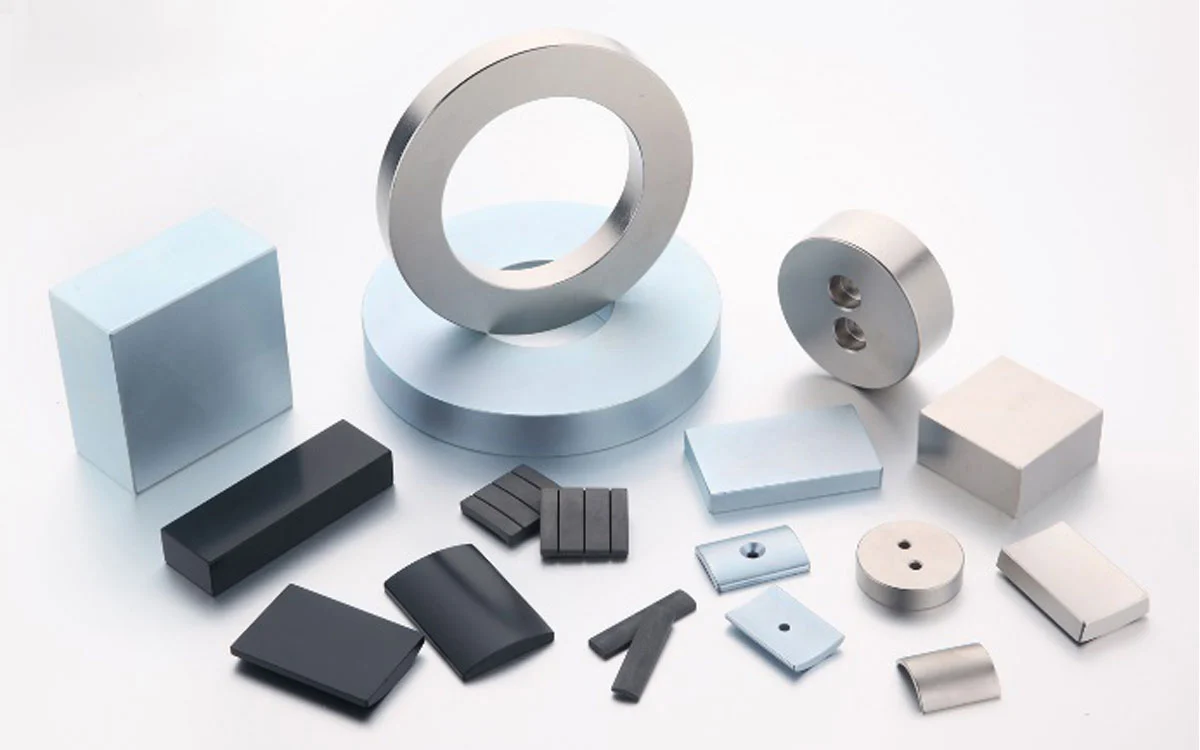
The integration of NdFeB magnets in smart manufacturing marks a pivotal shift in industrial processes. Known for being one of the strongest magnets for sale, NdFeB magnets, or neodymium-iron-boron magnets, are now at the forefront of many technological innovations. Their unique properties, such as high resistance to demagnetization and exceptional magnetic strength, make them invaluable in the development of smart manufacturing environments. This article explores how these very strong magnets are redefining efficiency, enabling better device integration, and overcoming industry challenges with innovative trends. For those considering to buy neo magnets for industrial applications, this guide offers insights into leveraging their potential for optimizing manufacturing operations.
In the realm of smart manufacturing, the integration of NdFeB magnets into IoT devices is revolutionary. Their application enhances the functionality and reliability of various devices by providing a compact, yet powerful magnetic field, a capability ensured by advanced ndfeb magnet manufacturers. IoT devices utilizing NdFeB magnets strength can perform more efficiently and respond swiftly to environmental changes. For example, sensors equipped with bulk neodymium magnets aid in precise data measurement and transmission, facilitating real-time decision-making processes.
Device Type | Magnet Used | Benefits |
Smart Sensors | N52 Neodymium Magnets | Enhanced sensitivity, compact size |
Actuators | Samarium Cobalt Magnets | High-temperature stability, precision |
Robotics | Custom Neodymium Magnets | Increased force output, miniaturization |
The utilization of industrial magnets like NdFeB magnets in manufacturing leads to remarkable gains in efficiency. Their high magnetic strength, as produced by a specialized neodymium magnet factory, allows for the downsizing of motor and generator components, which significantly reduces energy consumption and operational costs. This improvement in efficiency is critical for industries aiming to enhance their sustainability profiles while maintaining high productivity levels. For instance, automotive manufacturers using automotive magnets report noticeable reductions in fuel consumption due to lighter motors powered by these magnets.
Several industries have witnessed transformational changes due to the incorporation of neodymium magnets for sale in their processes. For example, a leading electronics manufacturer implemented N52 magnets, supplied by specialized ndfeb magnet manufacturers, within their assembly lines, resulting in a 30% increase in product throughput and a 20% decrease in energy use. Another case involves a robotics firm utilizing alnico 5 magnets, which enabled more agile and durable robotic arms, enhancing precision and speed in automated tasks. These case studies underline the strategic advantage gained by embracing strong rare earth magnets.
The heavy reliance on traditional magnet types posed several challenges, including demagnetization and size constraints. However, samarium cobalt SmCo and alnico magnets have addressed these issues by providing alternatives with superior magnetic stability and strength. SmCo magnets, for instance, offer resistance to corrosion and maintain magnetic performance at elevated temperatures, which is vital for high-stress applications. Likewise, alnico V magnets contribute to the flexibility and robustness required in dynamic manufacturing environments.
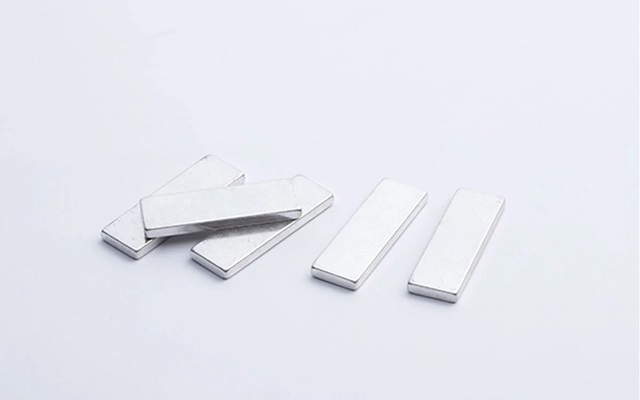
The future of NdFeB magnets in smart manufacturing looks promising with continuous advancements. Innovations such as embedded systems that utilize N42 magnets and N35 magnets are set to enhance communication between machine components, leading to smarter, more adaptive manufacturing processes. Moreover, the advent of custom neodymium magnets tailored for specific industrial needs paves the way for bespoke solutions, making operations more efficient and cost-effective. These emerging trends indicate a significant evolution towards more intelligent and resilient manufacturing ecosystems.
In conclusion, NdFeB magnets hold a transformative role in the advancement of smart manufacturing. Their unparalleled magnetic strength and adaptability to diverse applications make them indispensable for industries aiming to thrive in a competitive market. As demand for higher efficiency and precision in manufacturing grows, investing in neodymium magnet manufacturers and understanding the role of magnets like samarium cobalt SmCo and alnico 5 can provide a robust foundation for future innovations.
 0574-87574510
  ktsales@ktmagnet.com
 English
 中文
中文 日本語
日本語 한국어
한국어 français
 Deutsch
 Español