Nov 24 , 2025
NdFeB magnets are the strongest magnets for sale available in today's market, widely used across various industries due to their exceptional magnetic properties. However, they are prone to corrosion, which can significantly degrade their performance. This article explores the common causes of corrosion in these industrial magnets and provides detailed insights into protective strategies. Whether you are sourcing neodymium magnets from a top neodymium magnet manufacturer or looking to buy neo magnets in bulk, understanding how to maintain and protect them from degradation is crucial. Here, we will discuss various protective coating methods, everyday maintenance routines, damage testing protocols, and replacement guidelines to ensure the longevity of your investments in these very strong magnets.
Understanding the key contributors to corrosion in NdFeB magnets is the first step towards implementing effective protection strategies. Corrosion primarily occurs due to exposure to moisture, air, chemicals, and contact with metals that instigate galvanic corrosion. Moisture, in particular, acts as an electrolyte, accelerating the oxidation process in these strong rare earth magnets.
While NdFeB magnets from leading NdFeB magnet manufacturer are renowned for their high magnetic strength—quite superior compared to ferrite and alnico 5 magnets—their iron content makes them susceptible to rust in humid conditions. The table below outlines the common factors leading to corrosion:
Cause | Description |
Moisture | Water exposure accelerates rusting. |
Acidic Environments | Low pH levels enhance corrosive reactions. |
Galvanic Corrosion | Occurs due to contact with dissimilar metals. |
Oxidation | Natural occurrence when exposed to air. |
The application of protective coatings is a pivotal element in safeguarding NdFeB magnets for sale against corrosion. These coatings serve as barriers, preventing direct exposure to hostile environments. Common coatings include nickel, zinc, and epoxy, each offering unique benefits and challenges. Nickel plating provides excellent protection but might add to the cost, whereas epoxy maintains robust chemical resistance but requires precise application techniques.
These coatings are often applied using electroplating or powder coating processes, which enhance the magnet's resistance to wear and tear. Here is a comparison of commonly used coatings:
Coating Type | Pros | Cons |
Nickel | Durable, high resistance | Costly |
Zinc | Economical, good protection | Might wear quickly |
Epoxy | Strong chemical resistance | Complex application |
Regular maintenance is vital for prolonging the lifespan of industrial magnets. Maintenance routines should include regular cleaning, inspection for signs of degradation, and appropriate handling practices to minimize mechanical stress and environmental exposure.
Cleaning should be conducted using non-abrasive methods to prevent damaging the magnet's surface or its coating. Additionally, storing magnets in a controlled environment, away from excess humidity and temperature fluctuations, is crucial.
Routine | Description |
Regular Cleaning | Use gentle, non-abrasive materials. |
Visual Inspection | Check for signs of wear and corrosion. |
Proper Handling | Avoid mechanical shock and stress. |
Testing for damage is an important aspect of maintaining NdFeB magnets. By employing methods such as magnetic field testing, visual assessment, and coating thickness measurement, users can ascertain the condition and performance of these magnets.
For field testing, a gauss meter is often used to measure the magnetic field strength, helping identify any reductions in efficiency. Visual assessments help check for physical damage or coating breaches that are not apparent in routine maintenance. It's recommended to perform these checks regularly to ensure continuing functionality.
Test Type | Purpose |
Magnetic Field Test | Assess field strength and consistency. |
Visual Inspection | Identify visible wear or coating issues. |
Coating Thickness | Ensure protective layers are intact. |
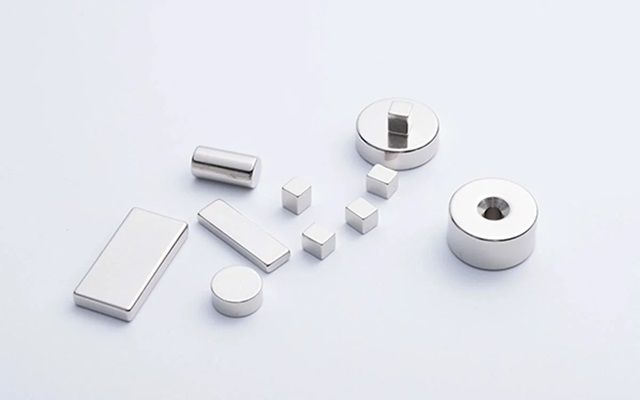
There comes a time when replacement of neodymium magnets becomes inevitable, especially when damage or reduction in performance is observed. Understanding when and how to replace these magnets is crucial to prevent inadvertent system failures.
Key signs indicating the need for replacement include significant loss of magnetic strength, visible cracks, and flaking of protective coatings. When buying neo magnets for replacement, seek reputable companies that offer high-quality bulk neodymium magnets or custom neodymium magnets to ensure consistency and performance.
Replacement Indicator | Action |
Magnet Strength Loss | Replace if significantly below required strength. |
Visible Cracks | Immediate replacement to prevent failure. |
Coating Damage | Consider replacing if coating is compromised. |
Protecting NdFeB magnets from corrosion is critical to maintaining their exceptional performance in industrial applications. By understanding the common causes of corrosion and implementing protective measures such as coatings and regular maintenance routines, you can significantly extend the life of these very strong magnets. Additionally, knowing how to test for damage and judiciously deciding when to replace them ensures the continued efficiency of the systems they are a part of. Whether you are dealing with automotive magnet systems or samarium cobalt alternatives, these best practices enhance operational reliability and maximize ROI on your industrial magnet investments.
 0574-87574510
  ktsales@ktmagnet.com
 English
 中文
中文 日本語
日本語 한국어
한국어 français
 Deutsch
 Español