Nov 16 , 2025
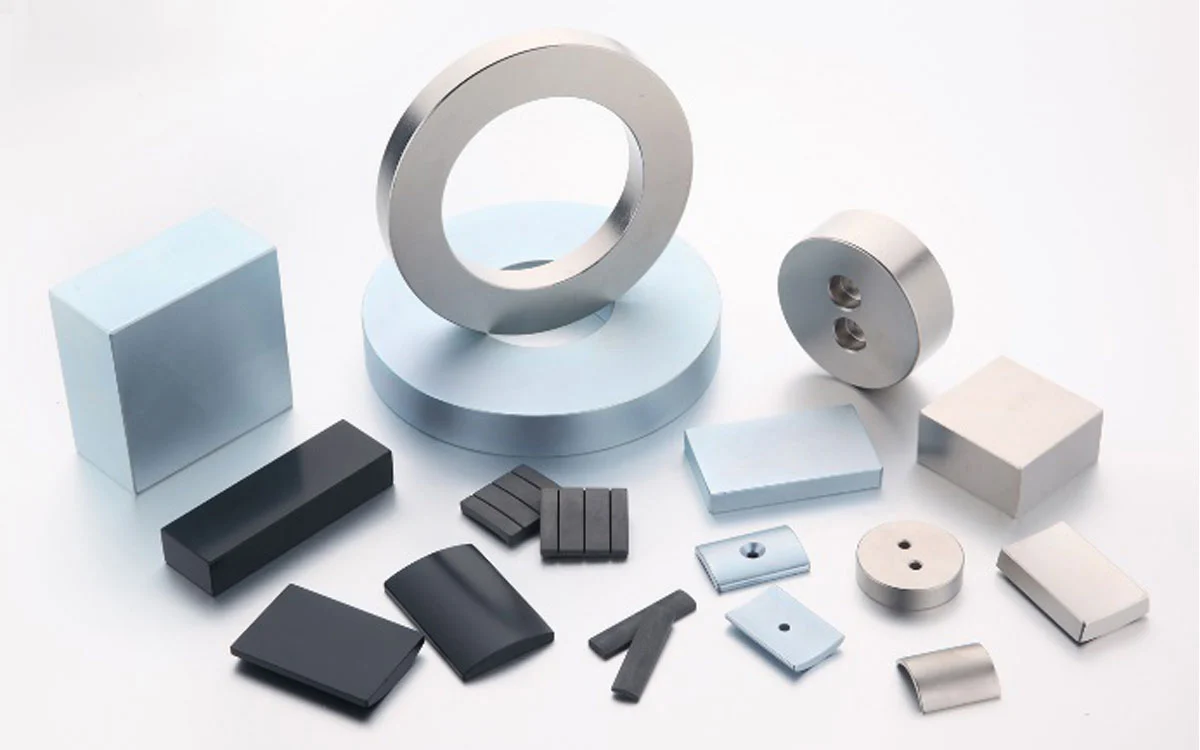
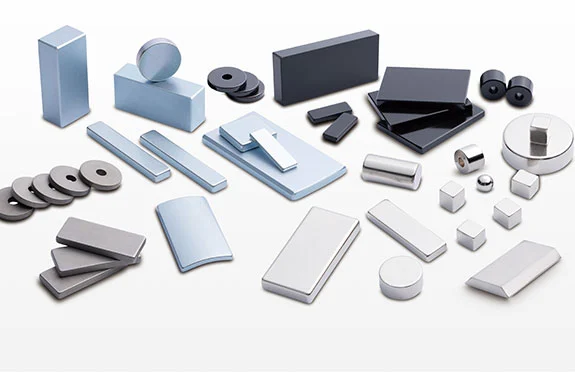
In today's technologically driven world, NdFeB magnets, known for being the strongest magnets for sale, form the backbone of diverse applications, from advanced electronics to industrial magnets. Understanding the manufacturing process of these powerful magnets can shed light on their capabilities and their pivotal role in modern innovations. This article explores the comprehensive journey from raw material selection to the environmental impact considerations associated with NdFeB magnets for sale. Whether you're a professional looking to buy neo magnets or a neodymium magnet manufacturer, this guide is designed to provide you with valuable insights into the complexities of NdFeB magnet strength production.
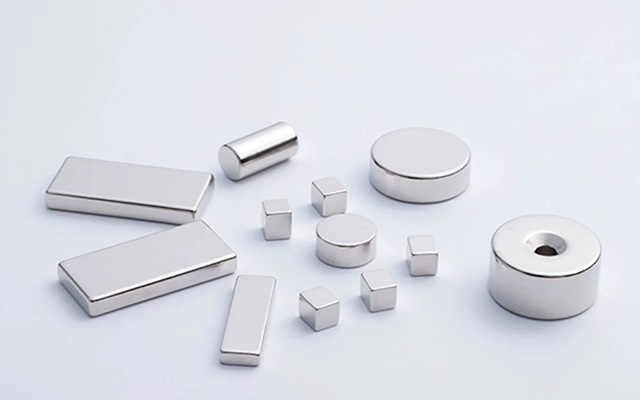
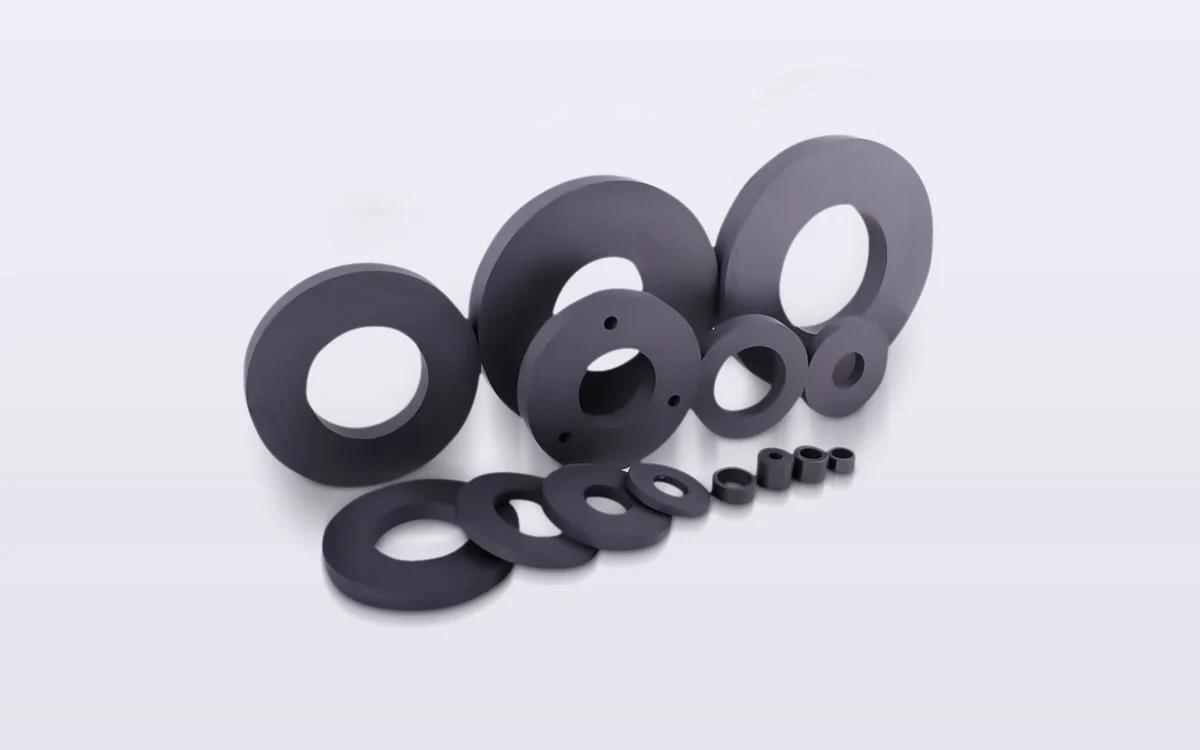
The journey of creating NdFeB magnets starts with the careful selection of raw materials, including neodymium, iron, and boron. These elements are critical in forming the core structure of the magnets, contributing to their robustness and magnetic properties. Neodymium magnets n52 and rare earth magnets take advantage of the potent magnetic qualities of neodymium.
Raw Material | Composition | Function |
Neodymium | ~30% | Magnetic energy source |
Iron | ~67% | Structural support |
Boron | ~3% | Stabilizing agent |
The manufacturing process involves powder metallurgy and sintering, which is crucial in enhancing the durability and magnetic properties of the final product. Once the raw materials are mixed and pressed into shape, they undergo a sintering process at high temperatures to achieve optimal density and uniformity.
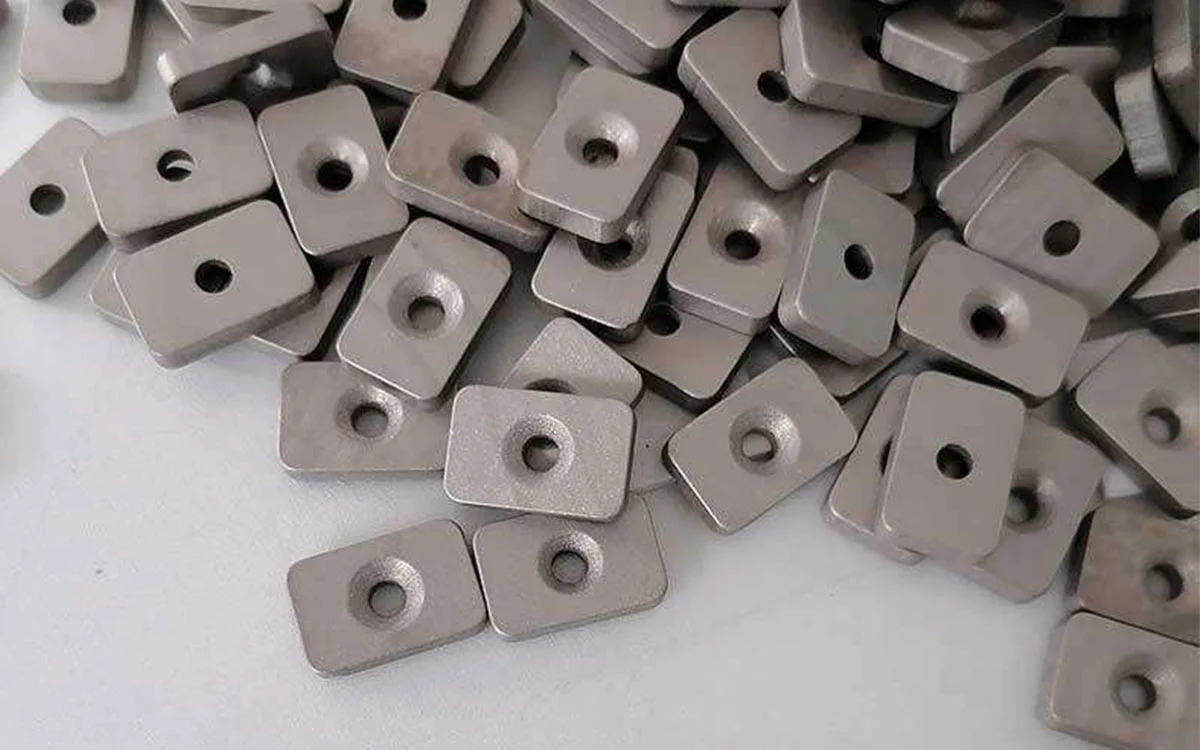
Post-sintering, NdFeB magnets undergo various coating and finishing techniques to prevent corrosion and improve performance. Typically, Neodymium magnets for sale feature coatings such as nickel, zinc, or epoxy, which enhance their longevity and resilience.
Coating Type | Material | Advantage |
Nickel | Metal | Corrosion resistance |
Epoxy | Polymer | Surface smoothness |
Zinc | Metal | Cost-efficiency |
These coatings cater to varied environments, ensuring that magnets like alnico magnets and smco magnets maintain their integrity under challenging conditions. The finishing techniques are meticulous, aiming to achieve smooth surfaces while retaining the NdFeB magnet strength.
Ensuring the high quality of industrial magnets is paramount; thus, stringent quality control measures are employed in the production process. These include rigorous inspections and magnetic property testing to verify if the magnets meet specific industry standards.
Quality Aspect | Inspection Technique | Outcome |
Magnetic Strength | Gauss Testing | Optimal magnetization |
Durability | Hardness Testing | Longevity assurance |
Defect Detection | Visual Inspections | Quality Verification |
Producers like a neodymium magnet manufacturer employ these measures to offer buyers flawless products, reducing the risk associated with using very strong magnets in sensitive applications.
The production of Neodymium magnets n52 has seen significant innovation over the years. Advances include automated manufacturing processes that increase efficiency and reduce waste. Emphasizing innovative technologies, manufacturers have been able to offer bulk neodymium magnets with refined features such as miniaturization without compromising on cobalt magnetic properties.
Innovation Type | Benefits |
Automated Assembling | Higher efficiency, reduced labor cost |
Advanced Material Analysis | Better quality control |
3D Printing Techniques | Precision in designs |
These breakthroughs, including developments in custom neodymium magnets, are setting higher standards for productivity and magnet performance across industries.
As the demand for strong rare earth magnets like samarium cobalt smco grows, so does the importance of considering their environmental impact. NdFeB magnet manufacturer is focused on eco-friendly production practices that minimize waste and reduce the carbon footprint.
Environmental Factor | Measure | Eco Benefit |
Resource Efficiency | Recycling programs | Reduced raw material use |
Waste Management | Sustainable disposal methods | Pollution control |
Energy Conservation | Renewable energy sources | Lower emissions |
Efforts such as using smco magnets and alnico 5 magnets responsibly ensure a sustainable future, striking a balance between innovation and ecological mindfulness.
In conclusion, the manufacturing of NdFeB magnets is a complex process involving the selection of premium materials, precise production techniques, and rigorous quality checks. With ongoing innovations, neodymium magnets for sale are increasingly customizable and efficient, meeting diverse application needs while considering their environmental footprint. As a compelling choice for automotive magnet solutions and other high-demand uses, these magnets exemplify the fusion of technological advancement and sustainability. Manufacturers and buyers should continue to prioritize these factors in their endeavors to harness the unmatched capabilities of NdFeB magnets and propagate their applications in new domains.
 0574-87574510
  ktsales@ktmagnet.com
 English
 中文
中文 日本語
日本語 한국어
한국어 français
 Deutsch
 Español