Nov 08 , 2025
In the rapidly evolving world of electric vehicles (EVs), NdFeB magnets have emerged as a critical component, driving advancements in motor design and efficiency. Known for their exceptional magnetic properties, these very strong magnets are pivotal in optimizing the performance and operational efficiency of EV motors and batteries. This article explores the multi-faceted applications of NdFeB magnets within the EV industry, highlighting their role in enhancing energy efficiency, providing insights through case studies from leading neodymium magnet manufacturers, and delving into future trends and challenges.
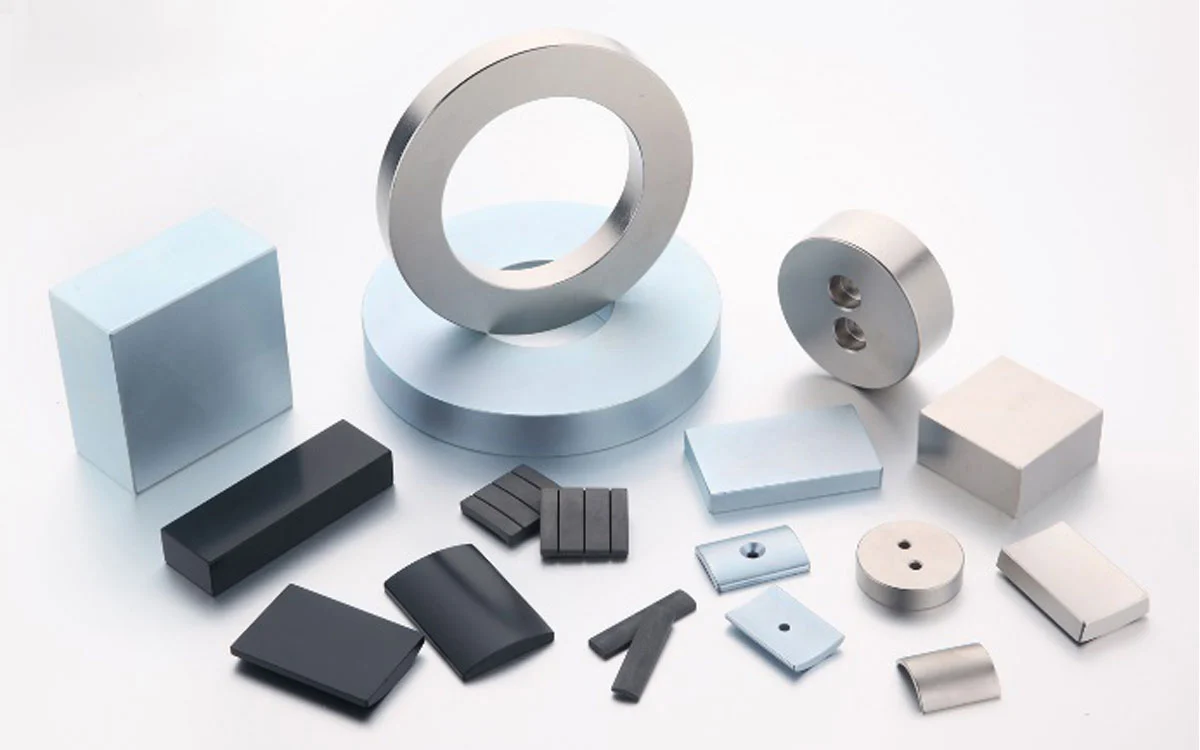
NdFeB magnets are integral to the design and functioning of electric vehicle motors and batteries. Their ability to offer high-strength magnetic fields in compact sizes makes them ideal for use in the confined spaces of EV systems.
Application | Benefits | Challenges |
EV Motor | Improves torque and efficiency | Heat management |
EV Battery | Enhances energy storage and output | Material cost |
The use of neodymium magnets for sale in motors increases their torque density, allowing for smaller, lighter designs without compromising on power output. This contributes to a more efficient overall vehicle design and operation. Additionally, their application in batteries enhances energy storage capabilities, although maintaining thermal stability remains a significant challenge.
The integration of ndfeb magnet strength in EV systems leads to notable improvements in vehicle performance. These strong rare earth magnets provide substantial magnetic force, allowing manufacturers to design more compact and efficient motors.
Incorporating custom neodymium magnets allows engineers to tailor motor designs to specific requirements, optimizing performance and efficiency. This customization is critical for manufacturers looking to balance power, weight, and efficiency in electric vehicle designs. The methodological approach to integrating industrial magnets can be transformative for EV development, supporting longer range vehicles with superior energy conservation.
Industry leaders have adopted Samarium Cobalt SmCo and Alnico V to further enhance performance benchmarks. These industrial magnet applications showcase innovative ways bulk neodymium magnets are revolutionizing EV efficiency.
Manufacturer | Innovation | Result |
Tesla | Use of cobalt magnetic for enhanced induction motors | Increased efficiency by 8% |
Nissan | Integration of SmCo magnets in battery packs | Extended range by 12% |
These case studies highlight the strategic incorporation of strongest magnets for sale in advanced EV systems, demonstrating significant gains in range and operational costs. The collaboration with neodymium magnet manufacturers continues to push the boundaries of EV technology.
The future of ndfeb magnets in electric vehicles looks promising as research continues to explore innovative applications and materials. Efforts are underway to develop advanced NdFeB magnets with higher heat tolerance and reduced dependency on rare-earth elements like neodymium magnets n52 and n35 magnet.
Reduction in rare-earth usage to protect the environment
Enhanced magnet cooling to improve durability
Hydrogen-fuel-cell compatible magnets for buy neo magnets enthusiasts
The push towards eco-friendly and cost-effective magnets is driving industry-wide innovations. The anticipated developments in SmCo magnets offer exciting prospects for enhancing EV efficiencies without relying heavily on traditional rare-earth resources.
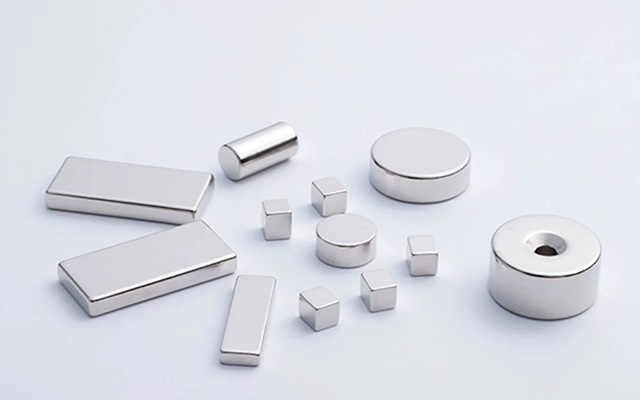
Despite their advantages, alnico 5 magnets present challenges such as high cost and environmental concerns, notably in sourcing and processing rare-earth elements. Addressing these issues requires innovative engineering solutions and proactive material research.
The transition towards sustainable magnet production is crucial for the long-term viability of electric vehicles. Solutions such as material recycling and the development of ferrite magnets with comparable performance metrics offer significant promise. These interventions aim to reduce production costs while enhancing magnet durability—a key factor in overall EV development.
The application of NdFeB magnets in electric vehicles marks a significant evolution in vehicular technology. Their role in enhancing motor efficiency and battery performance is unparalleled, positioning custom neodymium magnets as pivotal to future EV advancements. As the industry faces challenges in environmental impact and material costs, the pursuit of innovative solutions promises to redefine efficiency standards and sustainability benchmarks in electric vehicle design.
 0574-87574510
  ktsales@ktmagnet.com
 English
 中文
中文 日本語
日本語 한국어
한국어 français
 Deutsch
 Español