The success of a magnetic application often depends on selecting a material that matches the real demands of the operating environment. While Alnico magnets are recognized for their strong magnetic stability and high-temperature performance, achieving reliable results requires careful evaluation of material characteristics, application conditions, and product design requirements.
Unlike a simple replacement component, an Alnico magnet is an engineered part that directly affects the performance of the final product. The correct magnet selection can improve operational stability, extend service life, and reduce potential performance issues during long-term use.
From industrial sensors and control systems to motors, measuring equipment, and specialized devices, different alnico magnets uses require different approaches to material selection. Understanding the relationship between magnet properties and application requirements helps manufacturers choose a more suitable solution.
An experienced alnico magnet supplier plays an important role in this process by providing material recommendations, design support, and customized manufacturing capabilities. KT Magnet helps customers evaluate application requirements and develop reliable Alnico magnet solutions that deliver consistent performance across various industries.
Defining Application Requirements for Effective Alnico Magnet Selection
Before selecting an Alnico magnet, manufacturers need to clearly understand how the magnet will be used in the final product. The best magnet choice is not always the one with the highest magnetic strength, but the one that provides the right balance of performance, stability, and cost for a specific application.
Application requirements usually include operating temperature, required magnetic force, available installation space, mechanical conditions, and expected service life. Each factor can influence the selection of magnet grade, shape, and design.
Temperature is one of the most important considerations when selecting Alnico magnets. Compared with many other permanent magnet materials, Alnico provides excellent temperature stability, allowing it to maintain reliable magnetic performance in high-temperature environments.
This advantage explains why many alnico magnets uses are found in industrial environments where temperature changes are common. Applications such as sensors, measurement equipment, motors, and control devices often benefit from Alnico’s ability to maintain stable magnetic characteristics during operation.
The installation environment should also be considered. A magnet used inside precision equipment may have different requirements from one used in industrial machinery exposed to continuous vibration or mechanical stress. Working with an experienced alnico magnet supplier helps manufacturers evaluate these factors before finalizing material selection.
Magnetic Performance Factors That Influence Alnico Magnet Selection
Magnetic performance is a key factor in Alnico magnet selection, but it should always be considered together with application conditions. Different Alnico grades offer different combinations of magnetic strength, stability, and resistance to external influences.
Alnico magnets are known for their high residual induction and excellent temperature characteristics. These properties allow them to provide stable magnetic output in environments where maintaining consistent performance is critical.
However, Alnico materials generally have lower coercivity compared with some rare earth magnet materials. This means proper magnetic circuit design is important to prevent unwanted demagnetization during operation.
Engineers should consider several performance factors when selecting an Alnico magnet, including magnetic output requirements, temperature range, surrounding magnetic fields, and mechanical structure. A suitable design ensures that the magnet delivers reliable performance throughout its expected service life.
| Selection Factor | Alnico Magnet Characteristics | Application Impact |
|---|
| Temperature Performance | Maintains stable magnetic properties under high temperatures | Suitable for applications exposed to elevated operating temperatures |
| Magnetic Stability | Provides consistent magnetic output over long periods | Supports reliable equipment performance |
| Magnetic Strength | Offers strong magnetic performance for many industrial uses | Requires matching with application requirements |
| Corrosion Resistance | Provides good natural resistance to environmental effects | Helps improve durability in demanding conditions |
| Design Flexibility | Can be produced in different shapes and customized structures | Supports various product integration needs |
Understanding these characteristics allows engineers to identify suitable alnico magnets uses and avoid selecting a material based only on magnetic strength. The correct choice should consider the complete operating environment.
Selecting the Appropriate Alnico Grade for Different Performance and Operating Conditions
Different Alnico grades are designed to provide different magnetic performance characteristics. Choosing the appropriate grade is important because it determines how effectively the magnet will operate under specific conditions.
Some applications require higher magnetic output, while others prioritize temperature stability or long-term consistency. For example, a magnet used in industrial sensing equipment may require stable magnetic performance over time, while a motor application may require a different balance of magnetic properties.
The selection process should consider the complete application rather than focusing on a single specification. Factors such as operating temperature, product structure, available space, and expected performance all influence the final decision.
A professional alnico magnet supplier can provide valuable assistance by analyzing these requirements and recommending a suitable Alnico grade. This technical support helps customers avoid unnecessary design changes and improves the efficiency of product development.
Design Considerations for Integrating Alnico Magnets into Product Applications
Selecting the correct Alnico material is only one part of creating a reliable magnetic solution. The magnet must also be properly integrated into the overall product design to achieve the expected performance.
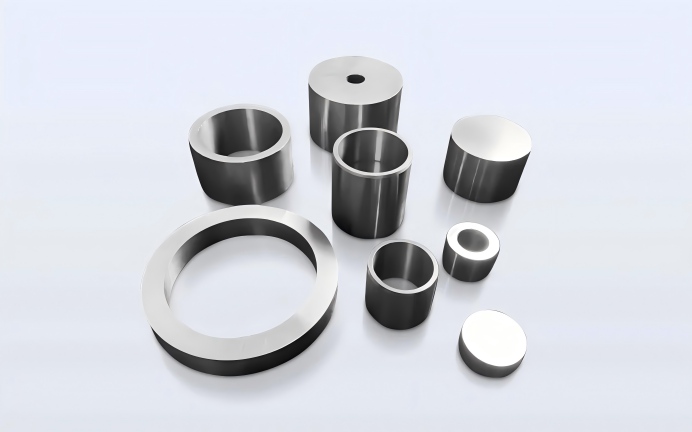
Magnet shape, size, orientation, positioning, and surrounding components can all influence the final magnetic effect. A well-designed magnetic circuit can maximize the advantages of Alnico materials and improve overall product efficiency.
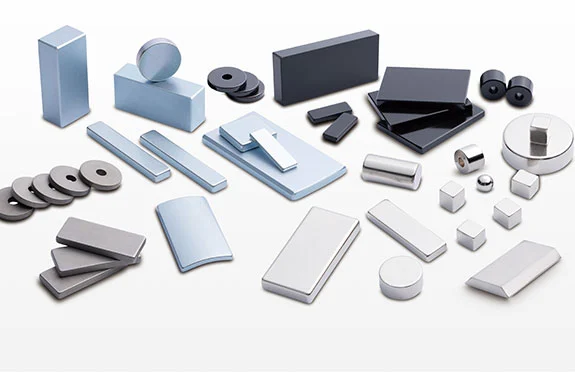
Customized magnet designs are often required for industrial applications because standard sizes may not always match the specific requirements of the product. An experienced manufacturer can help optimize magnet dimensions and configurations based on the actual application.
KT Magnet provides customized Alnico magnet solutions for different industrial requirements. Customers can explore available magnet solutions through the KT Magnet products page or discuss specific application requirements directly with the technical team.
Industrial Applications Where Alnico Magnets Provide Unique Performance Advantages
The unique characteristics of Alnico magnets make them suitable for applications where stable magnetic performance, temperature resistance, and long-term reliability are important. Although newer magnet materials have become popular in many industries, Alnico continues to provide advantages in specific environments where its properties match application requirements.
One of the important alnico magnets uses is in industrial sensors and measurement equipment. These applications often require consistent magnetic output and reliable operation over extended periods. The temperature stability of Alnico helps maintain predictable performance even when operating conditions change.
Alnico magnets are also commonly used in motors, generators, control systems, and specialized electromagnetic devices. In these applications, stable magnetic characteristics can contribute to consistent equipment performance and reduced maintenance requirements.
Other applications include scientific instruments, testing equipment, magnetic assemblies, and industrial components that operate in environments where temperature resistance is a priority. The ability of Alnico magnets to maintain magnetic properties under demanding conditions makes them a valuable choice for specialized engineering solutions.
Understanding different alnico magnets uses allows manufacturers to identify where this material provides the greatest advantages. Instead of replacing Alnico with other magnet materials in every situation, engineers should evaluate whether its specific characteristics align with the application requirements.
Evaluating Supplier Capabilities for Consistent Alnico Magnet Quality and Performance
Selecting the right magnet supplier is just as important as selecting the right magnet material. Even when the correct Alnico grade is chosen, inconsistent manufacturing processes can affect the final product performance.
A reliable alnico magnet supplier should have strong control over material selection, production processes, dimensional accuracy, and quality inspection. These capabilities help ensure that each production batch maintains consistent performance and meets customer specifications.
Supplier evaluation should also include technical support capabilities. A manufacturer with engineering experience can provide recommendations during product development, help optimize magnet designs, and identify potential issues before mass production begins.
| Supplier Capability | Why It Matters | Expected Result |
|---|
| Material Knowledge | Ensures correct Alnico grade selection | Better matching between magnet properties and application requirements |
| Manufacturing Experience | Improves production consistency | Stable quality across different batches |
| Customization Ability | Supports unique product designs | More suitable magnet solutions for specific applications |
| Quality Control Process | Reduces performance variation | Reliable product performance and improved customer confidence |
| Technical Communication | Helps solve application challenges | More efficient product development process |
For companies purchasing Alnico magnets for long-term projects, supplier capability should be evaluated beyond price. A professional partner should provide consistent quality, technical support, and reliable production capacity.
KT Magnet focuses on providing customized magnetic solutions supported by manufacturing experience and application knowledge. By understanding customer requirements and selecting suitable materials, KT Magnet helps businesses achieve stable and reliable magnetic performance across different industries.
Conclusion
Selecting the right Alnico magnet requires a complete understanding of application requirements, magnetic performance, operating conditions, and supplier capabilities. The best magnet solution is not simply determined by magnetic strength, but by how effectively the material performs in the actual working environment.
The wide range of alnico magnets uses demonstrates the continued value of this material in applications requiring temperature stability, reliable magnetic output, and long-term performance. However, achieving the best results depends on selecting the appropriate grade, optimizing product design, and working with a capable manufacturing partner.
An experienced alnico magnet supplier can provide valuable support throughout the selection and production process, from material recommendation and engineering assistance to customized manufacturing and quality control. KT Magnet works closely with customers to develop Alnico magnet solutions that meet specific application requirements and deliver dependable performance.
Companies looking for customized Alnico magnet solutions can contact KT Magnet through the KT Magnet contact page to discuss project requirements, material selection, and technical solutions.
Frequently Asked Questions
1. What factors should be considered when selecting an Alnico magnet?
The main factors include operating temperature, required magnetic performance, installation conditions, product design, and expected service life. The correct selection should match the magnet properties with the actual application requirements.
2. Why are Alnico magnets used in high-temperature applications?
Alnico magnets provide excellent temperature stability and can maintain reliable magnetic performance in environments where temperature resistance is important.
3. What are the common alnico magnets uses in industry?
Common alnico magnets uses include industrial sensors, motors, measurement equipment, control systems, scientific instruments, and specialized magnetic assemblies.
4. How can an alnico magnet supplier help with magnet selection?
An experienced alnico magnet supplier can provide material recommendations, engineering support, customized designs, and manufacturing guidance based on specific application requirements.
5. Are Alnico magnets better than other permanent magnet materials?
Alnico magnets are not always the best choice for every application. They provide unique advantages such as temperature stability and reliable performance, making them suitable for specific operating conditions.
6. Can Alnico magnets be customized for different applications?
Yes. Alnico magnets can be customized in terms of shape, size, magnetic orientation, and design configuration to meet different industrial application requirements.
 0574-87574510
  ktsales@ktmagnet.com
 English
 中文
中文 日本語
日本語 한국어
한국어 français
 Deutsch
 Español