Jul 28 , 2026
A magnet does not fail simply because it loses magnetic strength. In many industrial applications, failure begins with small changes caused by heat accumulation, mechanical stress, material fatigue, or unstable assembly conditions. When magnets are integrated into motors, generators, automation systems, and other precision equipment, the reliability of the entire system depends heavily on how well the magnet assembly is designed, manufactured, and protected.
High-performance applications require magnetic components that can maintain consistent output despite temperature variations, vibration, and demanding operating cycles. Achieving this level of reliability requires more than selecting a powerful magnet material. It involves optimized material choices, accurate positioning, durable fixing methods, and strict quality control throughout the assembly process. This is why professional magnet assembly manufacturers focus on complete engineering solutions rather than individual magnetic components alone.
With growing demands for efficiency, durability, and compact system design, KT Magnet provides engineered magnetic solutions that help industries overcome the challenges of extreme operating environments. Through advanced assembly technologies and reliable manufacturing practices, KT Magnet supports applications where stable magnetic performance is essential for long-term operation.
Extreme operating environments place continuous pressure on magnetic components. Among these challenges, temperature is one of the most influential factors affecting long-term magnet assembly performance. When exposed to excessive heat, permanent magnets may experience reduced magnetic force, irreversible demagnetization, or accelerated material degradation. These effects can directly impact equipment efficiency and reliability.
Different magnetic materials have different temperature resistance capabilities. If a magnet assembly is designed without considering the actual operating temperature range, the magnetic performance may decline faster than expected. This is particularly important in applications such as electric motors, industrial generators, and automotive systems, where components often operate under continuous thermal loads.
Mechanical stress creates another significant challenge. During operation, magnet assemblies may experience vibration, shock, centrifugal forces, and repeated expansion and contraction caused by temperature changes. Without proper structural support, magnets may shift, bonding materials may weaken, and the overall assembly may lose alignment.
Environmental exposure can further affect reliability. Moisture, corrosion, chemicals, and contaminants may damage protective layers or reduce the durability of supporting structures. Therefore, experienced magnet assembly manufacturers must evaluate not only magnetic properties but also mechanical and environmental factors during the design stage.
| Environmental Challenge | Impact on Magnet Assembly | Reliability Improvement Approach |
|---|---|---|
| High temperature | Reduced magnetic strength and possible demagnetization | Use temperature-resistant magnetic materials and optimize thermal design |
| Vibration and mechanical stress | Magnet displacement or structural damage | Improve fixing methods and assembly precision |
| Corrosive conditions | Surface degradation and reduced service life | Apply protective coatings and corrosion-resistant materials |
| Thermal cycling | Material fatigue and bonding failure | Select compatible materials and improve structural design |
Material selection determines the foundation of a reliable magnet assembly. Different industrial applications require different combinations of magnetic strength, temperature stability, corrosion resistance, and mechanical durability.
Neodymium magnets are widely used because of their excellent magnetic performance and high energy density. However, standard neodymium grades may not be suitable for applications involving elevated temperatures. For high-temperature environments, specialized grades with improved thermal stability are often selected to reduce the risk of performance loss.
Samarium cobalt magnets are another important option for demanding conditions. They offer excellent temperature resistance and strong resistance to demagnetization, making them suitable for applications where reliability is more important than achieving the highest magnetic strength.
In addition to magnetic materials, supporting components also influence the final performance of an assembly. Housing materials, bonding agents, mechanical fixtures, and protective coatings must be selected according to operating requirements. A mismatch between components can create weak points that reduce the service life of the entire system.
Professional magnet assembly manufacturers evaluate the complete application environment before recommending materials and assembly structures. This approach helps ensure that magnetic performance remains stable throughout the expected operating lifecycle.
For different industrial requirements, KT Magnet provides a variety of magnetic products and assembly solutions designed for applications requiring reliable performance, helping customers identify suitable magnetic components for motors, automation systems, and other demanding environments.
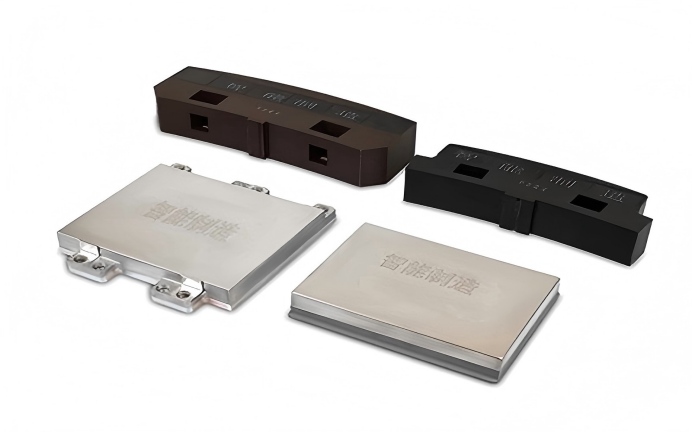
Even high-quality magnetic materials can fail to deliver expected results if the assembly process lacks precision. The position, orientation, and fixation of magnets directly influence the final magnetic field distribution and overall system performance.
A reliable magnet assembly process requires careful control throughout production. Component preparation, surface treatment, accurate positioning, bonding, mechanical reinforcement, and final inspection all contribute to assembly consistency.
Magnet handling is especially important because permanent magnets are often brittle and sensitive to mechanical impact. Small cracks or surface damage that occur during assembly may reduce long-term reliability even if the magnet appears functional during initial testing.
Bonding technology also plays an important role. Adhesives used in magnet assemblies must maintain strength under temperature changes, vibration, and environmental exposure. In applications involving high mechanical loads, manufacturers may combine bonding methods with additional mechanical retention structures to improve durability.
Advanced magnet assembly manufacturers often integrate automated equipment, precision measurement systems, and process monitoring technologies to improve repeatability. These methods help ensure that each assembly meets required magnetic and mechanical specifications.
A durable magnet assembly requires protection against both internal and external factors that may affect performance. Protective design strategies help extend service life and maintain stable operation in harsh industrial environments.
One common protection method is the use of surface coatings. Coatings help reduce corrosion risks and protect magnetic materials from moisture or chemical exposure. The appropriate coating solution depends on factors such as temperature range, environmental conditions, and mechanical requirements.
Structural reinforcement is equally important. Retaining rings, protective housings, sleeves, and support structures can prevent magnets from moving during vibration or high-speed operation. These solutions are particularly valuable in rotating equipment where even small positional changes may affect performance.
Thermal management should also be considered during design. Proper heat dissipation, component arrangement, and material compatibility can help control temperature increases and reduce thermal stress on the assembly.
| Protective Strategy | Purpose | Application Examples |
|---|---|---|
| Protective coating | Improve corrosion resistance | Motors, sensors, outdoor equipment |
| Mechanical reinforcement | Prevent movement under stress | Rotating machinery and automotive systems |
| Thermal optimization | Reduce heat-related performance loss | High-efficiency motors and generators |
| Precision alignment design | Maintain consistent magnetic performance | Automation and precision devices |
Quality control is essential for producing reliable magnetic components. Since small variations in material properties, dimensions, or assembly conditions can influence performance, professional magnet assembly manufacturers rely on comprehensive inspection procedures.
Material verification is the first step in quality assurance. Manufacturers evaluate magnetic properties, physical dimensions, and material consistency before assembly begins. This ensures that incoming components meet the required specifications.
During assembly, dimensional inspection and positioning checks help maintain accuracy. After completion, magnetic performance testing verifies that the finished magnet assembly achieves the expected output and stability.
For demanding applications, additional reliability tests may be performed, including temperature cycling, vibration testing, and environmental resistance evaluation. These tests provide valuable information about how the assembly will perform under real operating conditions.
KT Magnet applies systematic quality control practices throughout the production process to improve consistency and reliability. Through careful engineering and performance verification, KT Magnet supports customers requiring dependable magnetic solutions for industrial applications.
Reliable magnet assembly solutions are becoming increasingly important as industries demand higher efficiency, smaller equipment designs, and longer service life. Applications such as electric motors, robotics, renewable energy systems, automotive components, and industrial automation all depend on stable magnetic performance.
In electric motor systems, magnet reliability directly affects torque output, efficiency, and operating stability. In automation equipment, precise magnetic positioning supports accurate movement and control. For energy-related applications, durable assemblies contribute to consistent operation and reduced maintenance requirements.
Choosing suitable magnet assembly manufacturers is therefore an important part of product development. A reliable supplier should provide not only magnetic materials but also engineering knowledge, assembly expertise, and quality assurance capabilities.
KT Magnet combines magnetic material expertise with precision assembly technologies to develop solutions for challenging industrial environments. Because every application has unique requirements for temperature resistance, mechanical stability, and magnetic performance, professional technical support can help ensure the right solution is selected. Customers can contact KT Magnet’s engineering team to discuss specific application conditions and explore reliable magnet assembly solutions.
Reliable performance in extreme environments depends on more than magnetic strength alone. A high-quality magnet assembly must combine suitable materials, precise manufacturing, protective structures, and strict quality control to withstand heat, mechanical stress, and environmental challenges.
As industrial equipment continues to evolve toward higher efficiency and greater durability, experienced magnet assembly manufacturers play a critical role in developing magnetic solutions that deliver stable performance over time. Through advanced engineering and reliable production practices, KT Magnet helps customers achieve dependable magnetic performance in demanding applications.
Temperature, mechanical stress, material selection, assembly accuracy, protective design, and quality control all affect the reliability of a magnet assembly.
High temperatures can reduce magnetic strength and accelerate material degradation, so specialized materials and designs are needed to maintain stable performance.
High-temperature neodymium grades and samarium cobalt magnets are commonly used because of their improved thermal stability and resistance to demagnetization.
They use controlled production processes, precision assembly equipment, magnetic testing, and reliability evaluations to maintain consistent quality.
Protective coatings, sealed structures, and corrosion-resistant materials can help reduce environmental damage and extend service life.
High-reliability magnet assemblies are widely used in motors, robotics, automotive systems, renewable energy equipment, medical devices, and industrial automation.
 0574-87574510
  ktsales@ktmagnet.com
 English
 中文
中文 日本語
日本語 한국어
한국어 français
 Deutsch
 Español