Aug 27 , 2026
When developing a new product that requires permanent magnets, one of the most important decisions is choosing a material that meets both performance expectations and production goals. A magnet that delivers excellent strength but increases costs or creates unnecessary design limitations may not always be the most suitable solution.
This is why many engineers compare ferrite and neodymium magnets before starting custom magnet production. While neodymium magnets are recognized for their high magnetic force and compact size, ferrite magnets continue to be widely used because they provide dependable performance, strong environmental resistance, and cost advantages in many industrial applications.
The choice between these two materials depends on the specific requirements of the product, including magnetic output, operating conditions, available installation space, and manufacturing volume. For many applications, custom ferrite magnets offer the right combination of reliability and affordability, making them a practical option for long-term production.
As one of the experienced ferrite magnet suppliers, KT Magnet helps customers evaluate material options and develop customized magnetic solutions for different industries. By understanding the strengths and limitations of each magnet type, manufacturers can achieve better product performance while maintaining control over production costs.
Ferrite and neodymium magnets are both permanent magnets, but their material characteristics make them suitable for different application scenarios. Choosing the correct option requires more than comparing magnetic strength alone. Engineers need to consider how the magnet performs throughout the entire product lifecycle.
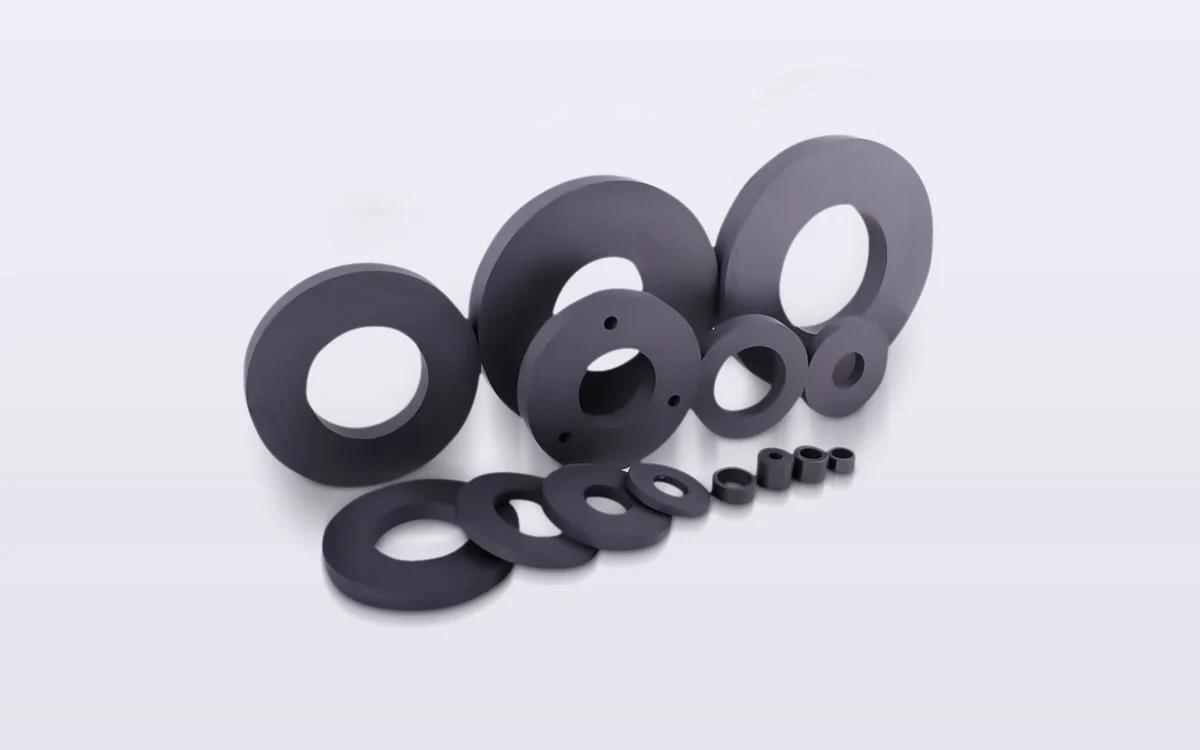
Ferrite magnets are ceramic permanent magnets produced mainly from iron oxide combined with strontium or barium compounds. They are widely recognized for their excellent corrosion resistance, stable performance, and economical manufacturing cost. These characteristics make them suitable for applications where reliable magnetic function is required without extremely high magnetic output.
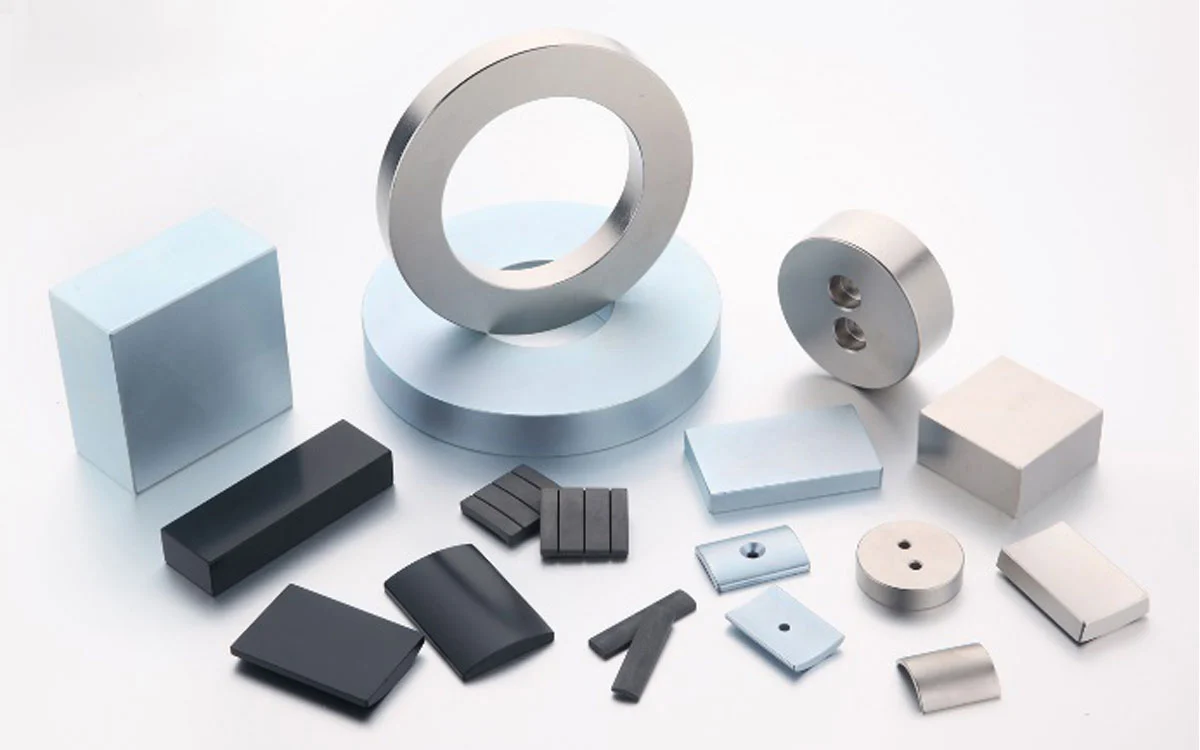
Neodymium magnets, also known as NdFeB magnets, are rare earth magnets made from neodymium, iron, and boron. They provide significantly higher magnetic energy density than ferrite magnets, allowing manufacturers to achieve stronger magnetic force within smaller dimensions.
However, stronger magnetic performance does not always translate into a better overall solution. In many industrial products, custom ferrite magnets can provide sufficient magnetic force while offering advantages in cost, durability, and production stability.
| Comparison Factor | Custom Ferrite Magnets | Neodymium Magnets |
|---|---|---|
| Magnetic Strength | Provides stable magnetic performance for general industrial applications | Offers very high magnetic force and energy density |
| Material Composition | Ceramic material mainly based on iron oxide compounds | Rare earth material made from neodymium, iron, and boron |
| Corrosion Resistance | Naturally resistant to oxidation and moisture | Usually requires protective coatings for long-term protection |
| Cost Efficiency | Lower material cost and suitable for large-scale manufacturing | Higher cost due to rare earth material content |
| Temperature Performance | Stable performance across many industrial environments | Depends on magnet grade and operating temperature limitations |
| Size Requirements | Suitable when larger magnet dimensions are acceptable | Ideal for compact designs requiring high magnetic output |
| Common Applications | Motors, speakers, sensors, automotive components, appliances | Electric motors, robotics, automation systems, precision equipment |
For product developers, the ideal magnet material is the one that matches the application requirements rather than the one with the highest magnetic rating. Selecting custom ferrite magnets for suitable applications can help manufacturers achieve reliable performance while maintaining better control over production expenses.
Although neodymium magnets have become increasingly popular in high-performance applications, ferrite magnets continue to play an important role in industries where cost efficiency and reliability are equally important.
One of the main reasons manufacturers choose custom ferrite magnets is their excellent balance between performance and production cost. In large-volume manufacturing, even a small difference in material price can significantly affect the total project budget. Ferrite magnets use widely available raw materials, which helps maintain more stable costs compared with rare earth magnet materials.
This advantage is especially valuable for products manufactured in high quantities, including household appliances, automotive components, industrial motors, and electronic devices. When an application does not require extreme magnetic force, ferrite magnets often provide a more practical solution.
Ferrite magnets also offer strong environmental durability. Their natural resistance to oxidation means they can perform reliably in humid conditions without requiring complex surface protection. This simplifies manufacturing processes and reduces potential maintenance concerns during product operation.
For companies working with professional ferrite magnet suppliers, customization capability is another important consideration. A qualified supplier should be able to provide recommendations on magnet dimensions, magnetic orientation, material grades, and production methods based on the final application.
KT Magnet supports customers with customized magnetic solutions designed for different industries and application requirements. From selecting suitable magnet materials to developing customized designs, KT Magnet helps manufacturers create reliable magnetic components. Customers can explore different magnetic products and available solutions through the KT Magnet products page.
Neodymium magnets are the preferred choice when applications require maximum magnetic performance within a limited space. Their high magnetic energy density allows engineers to reduce component size while maintaining strong magnetic output.
This advantage makes neodymium magnets widely used in industries where compact and lightweight designs are essential. Electric motors, robotics, automation equipment, and precision devices often rely on neodymium magnets because their strong magnetic force enables more efficient product designs.
Compared with ferrite magnets, neodymium magnets allow manufacturers to achieve higher performance from a smaller magnetic component. This can be particularly valuable when product dimensions are restricted and every millimeter of design space matters.
However, neodymium magnets also require careful consideration during product development. Their material characteristics make them more sensitive to corrosion, and protective coatings are often required depending on the operating environment. Their higher material cost should also be evaluated against the actual benefits they provide.
For applications where maximum magnetic strength directly improves product performance, neodymium magnets can offer significant advantages. However, when the required magnetic performance can be achieved with ferrite materials, selecting custom ferrite magnets may provide better overall value.
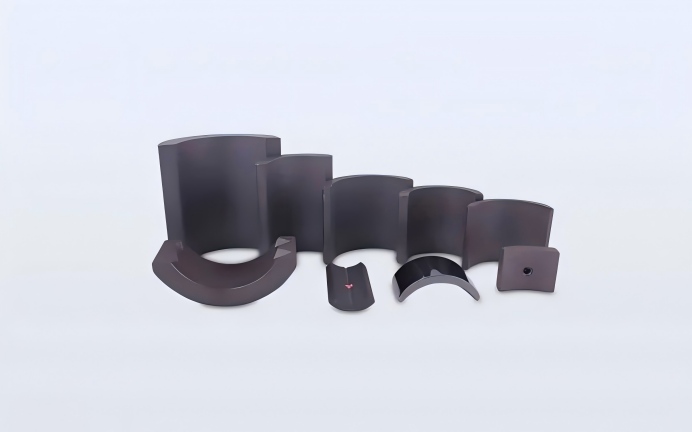
Choosing between ferrite and neodymium magnets requires a comprehensive evaluation of the product requirements rather than focusing on a single performance parameter. The most suitable magnet material should provide the necessary magnetic performance while also fitting the manufacturing process, operating environment, and budget expectations.
The required magnetic force is usually the first factor engineers evaluate. If the application demands extremely high magnetic output within a limited space, neodymium magnets may be the preferred option. Their high energy density allows manufacturers to achieve strong magnetic performance with smaller magnet dimensions.
However, many industrial applications do not require maximum magnetic strength. Motors, speakers, sensors, and other components often operate effectively with carefully designed custom ferrite magnets. Selecting the correct ferrite grade and magnet design can provide sufficient performance while avoiding unnecessary material costs.
The working environment has a direct impact on magnet selection. Factors such as temperature variation, humidity, chemical exposure, and mechanical stress should be considered during the design stage.
Ferrite magnets have excellent natural resistance to oxidation and moisture, which makes them suitable for applications where long-term environmental stability is important. Neodymium magnets, although stronger, often require additional protection such as surface coatings to maintain performance in challenging environments.
For applications operating in outdoor environments, industrial equipment, or products exposed to moisture, discussing environmental requirements with experienced ferrite magnet suppliers can help identify a more reliable material solution.
Manufacturing volume is another important factor when comparing ferrite and neodymium magnets. For low-volume products where maximum performance is critical, the higher cost of neodymium magnets may be acceptable. However, for mass production, material selection can have a significant impact on overall manufacturing expenses.
Because ferrite magnets use more economical raw materials, they are often selected for large-scale production where cost efficiency and consistent supply are priorities. Professional ferrite magnet suppliers can help manufacturers optimize magnet designs to balance performance requirements with production budgets.
The available installation space also influences material selection. Neodymium magnets provide greater magnetic output from a smaller footprint, making them suitable for compact electronic devices and precision equipment.
Ferrite magnets generally require a larger physical size to achieve comparable magnetic force, but this is not a disadvantage when product space allows sufficient room. In many applications, their larger size is balanced by lower cost, higher durability, and easier production requirements.
Successful magnet selection is ultimately about finding the right balance between technical performance and commercial requirements. A stronger magnet is not always the best engineering choice if the additional performance does not improve the final product.
For example, replacing a ferrite magnet with a neodymium magnet may increase magnetic force, but it may also increase material costs, require additional corrosion protection, and affect the overall manufacturing process. If the application does not require extreme magnetic performance, the additional investment may not provide meaningful benefits.
On the other hand, selecting ferrite magnets for applications with strict space limitations or high magnetic requirements may result in inefficient designs. In these situations, neodymium magnets can provide advantages that justify the higher cost.
The most effective approach is to evaluate the complete product requirements before selecting a magnet material. Factors such as magnetic performance, operating conditions, production volume, and lifecycle cost should all be considered together.
Working with experienced ferrite magnet suppliers allows manufacturers to access professional recommendations during the design process. Suppliers with technical expertise can help analyze application requirements, select suitable materials, and develop customized solutions that meet both engineering and commercial objectives.
KT Magnet provides customized magnet solutions for customers across different industries, helping businesses choose suitable magnetic materials according to their specific applications. Whether the project requires ferrite magnets, neodymium magnets, or other customized magnetic components, professional technical support can help improve product reliability and production efficiency. Customers can contact KT Magnet through the KT Magnet contact page to discuss their specific magnet requirements.
Ferrite and neodymium magnets each offer unique advantages, and the best choice depends on the specific needs of the application. Neodymium magnets provide outstanding magnetic strength and are ideal for compact designs where maximum performance is required. Ferrite magnets, meanwhile, continue to be a reliable option for applications that value cost efficiency, corrosion resistance, and stable long-term performance.
For many industrial and commercial products, custom ferrite magnets provide an effective balance between functionality and manufacturing cost. With the support of experienced ferrite magnet suppliers, manufacturers can optimize magnet selection and develop solutions that match their product goals.
KT Magnet combines manufacturing experience with application knowledge to help customers develop customized magnetic solutions. By evaluating factors such as performance requirements, environmental conditions, and production expectations, companies can select the magnet material that delivers the best overall value for their projects.
Yes. Custom ferrite magnets are widely used in industrial applications because they provide reliable magnetic performance, excellent corrosion resistance, and competitive costs for large-scale production.
No. Neodymium magnets provide higher magnetic strength, but ferrite magnets may offer better overall value when cost, durability, and environmental resistance are important considerations.
Manufacturers choose custom ferrite magnets because they offer stable performance, economical production, and good resistance to demanding operating environments.
Professional ferrite magnet suppliers can support customers with material selection, magnet design, performance recommendations, customization, and production optimization.
The main factors include required magnetic strength, operating environment, product size limitations, production volume, and overall cost requirements.
Yes. KT Magnet provides customized magnet solutions based on customer requirements, including material selection, design support, and manufacturing services for different applications.
 0574-87574510
  ktsales@ktmagnet.com
 English
 中文
中文 日本語
日本語 한국어
한국어 français
 Deutsch
 Español